
About the Department
Statistics
Statistics is a mathematical science concerned with the collection, analysis, interpretation, or explanation, and presentation of data. In addition to being applied in virtually all academic disciplines—from the natural sciences to the humanities—statistics is also used for decision-making in business and public administration.
The word “statistics” is the plural form of “statistic,” which refers to information—such as labor statistics, accident statistics, and population statistics—obtained by applying a statistical method to a data set.
The History of Statistics
As organized human communities formed, the desire to obtain numerical data regarding population and the material living conditions of that population emerged; evidence of this need can be found in ancient Egypt, China, and Greece. This was followed by regular population censuses in Rome, compilations carried out by order of Charlemagne, William the Conqueror’s “Domesday Book,” and countless inventories and compilations commissioned by kings thereafter.
|
-Charlemagne- |
-Domesday Book- |


In the 17th century, concepts regarding the foundations and tools of statistical analysis began to emerge. Two schools emerged. The “descriptive” school—believed to be the origin of the term “statistics”—was founded by Herman Conrig (1606–1681). John Graunt (1719–1772) and Sir William Petty (1623–1687) are recognized as the founders of the second school, known as the “political arithmeticians.” This school went beyond mere description to establish certain statistical constants, such as the ratio of male to female children. Some time later, Edmond Halley (1656–1742) introduced the life table, which laid the foundations for modern actuarial (life insurance) studies. Subsequently, Johann Peter Süssmilch (1707–1767) conducted studies on the male birth rate and the development of the proportion of male children up to the age of 20.
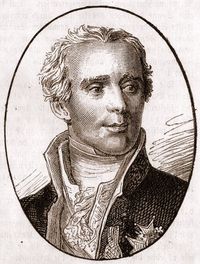
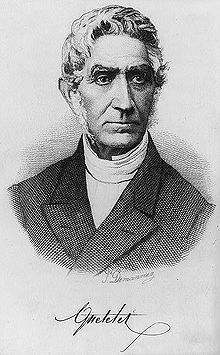
At the beginning of the 19th century, Pierre Simon de Laplace (1749–1827), in his *Theorie Analytique des Probabilités* [1852], he demonstrated the benefits this theory could provide in the study of natural phenomena that are too complex to be analyzed individually, even when all their causes are known. Adolphe Quetelet (1796–1874) expanded the scope of the method to include the anthropometric, psychological, and sociological study of living beings. The first International Statistical Congress, which served as the precursor to the International Statistical Institute founded in London in 1885 through his initiative, was held in Brussels in 1853.
|
-Pierre Simon de Laplace-
|
- Adolphe Quetelet -
|
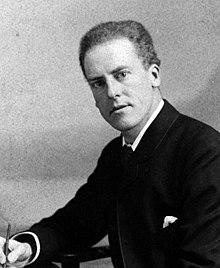
Karl Pearson founded “BIOSTATISTICS” or “BIOMETRICS,” which extended into the field of therapeutic experimentation. He paved the way for the emergence of econometrics by exploring the relationship between statistical observation and economics. Maxwell laid the groundwork for statistical mechanics.
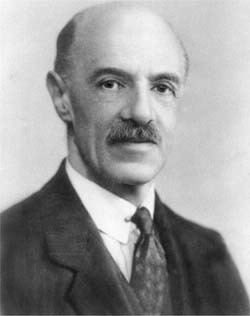
C. Edward Spearman’s studies on human behavior—later developed in applied psychology for both humans and animals—led to factor analysis methods, which are logical extensions of correlation studies.
|
- Karl Pearson-
|
- C. Edward Spearman-
|
Statistical methods have also emerged as an aid to business practices: market research, budget control, and inventory management. With extensions such as game theory and decision theory, they led to the emergence of operations research methods.
A statistical study consists of several stages. The first, methodological stage involves defining the statistical units to be studied (characteristics, lists of names, etc.). The second, technical stage involves collecting the data (through sampling, measurement, surveys, etc.). In the third stage (descriptive statistics), the data are presented in the form of tables, graphs, or diagrams that contain all the information.
In classical statistics (statistical induction), the observations are then fitted to a model or a statistical distribution (binomial, normal, etc.) using these calculated parameters. Finally, if multiple characteristics are determined together, it is possible to investigate whether there are relationships among them: functional relationships, complete independence, or stochastic relationships (correlation).
The Purpose and Branches of Statistics
Research is conducted with the aim of collecting data in a specific field and analyzing and interpreting that data.
It is divided into two parts: mathematical statistics and applied statistics. In mathematical statistics, the focus is primarily on theory. In applied statistics, on the other hand, the focus is on researching and analyzing current problems using established scientific methods.
Career Opportunities
Graduates are awarded a “Bachelor’s Degree” and the title of “STATISTICIAN.” Graduates may find employment at the Turkish Statistical Institute (DIE), the State Planning Organization (DPT), public opinion research firms, the banking and insurance sectors, the Istanbul Stock Exchange (IMKB), and the planning departments of various organizations.